
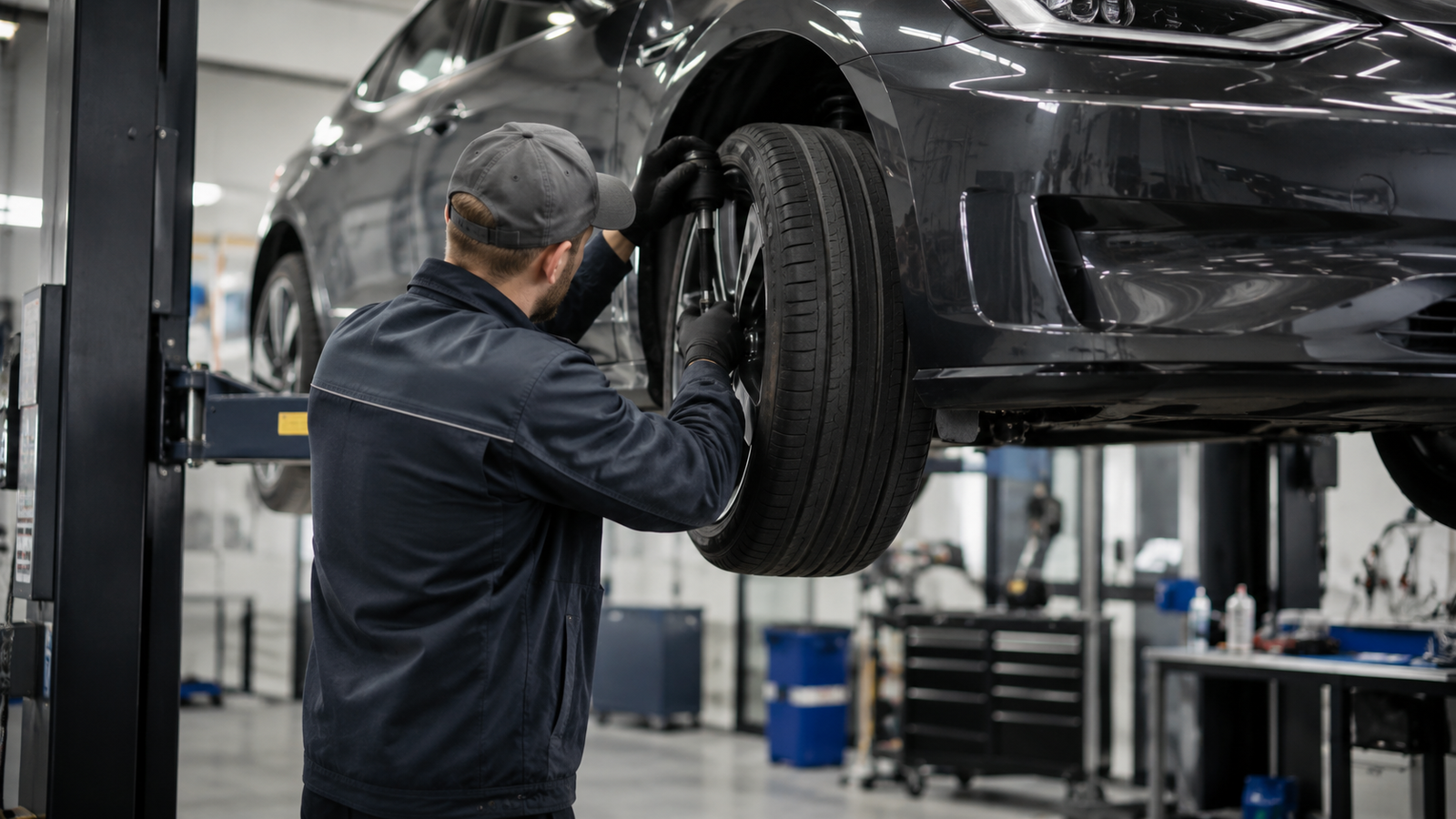

A Tesla suspension investigation in the United States covers almost 1.2 million Model 3 and Model Y vehicles. American regulators are examining reports that a front suspension component can detach and affect the driver’s control of the car.
The investigation concerns Model 3 cars from model years 2018–2020 and Model Y vehicles from 2021–2023. However, no recall connected to this investigation has yet been announced, and the US case does not automatically mean that Tesla cars registered in Sweden are affected.
Tesla suspension investigation covers 1.2 million cars
The US National Highway Traffic Safety Administration, known as NHTSA, opened the investigation on 29 July 2026.
According to the agency’s official investigation document, it has received 156 complaints involving the front lower lateral link. The component allegedly detached in Model 3 and Model Y vehicles included in the investigation.
NHTSA said the failure could lead to a loss of directional control. Once the component detaches, the vehicle may no longer be driveable and may need to be towed.
The agency has not linked any crashes, fires, injuries or deaths to the 156 complaints included in the case. The investigation is currently classified as a preliminary evaluation, which is the first stage of NHTSA’s defect investigation process.
Most owners reported no warning
Most of the complaints said there had been no advance warning before the suspension component failed.
Some drivers reported hearing noises before the failure. However, they said the vehicle did not display a warning light or error message before the component detached.
The investigation will examine the cause of the reported failures, how many vehicles may be affected and whether the issue creates an unreasonable safety risk.
Opening an investigation does not mean that NHTSA has already confirmed a defect. It also does not mean that all 1,198,300 vehicles covered by the review have the reported problem.
A recall could follow if the agency finds evidence of a safety-related defect. NHTSA may also close the case without requiring a recall if the evidence does not support further action.
Earlier Tesla recalls involved similar components
Tesla has previously issued two US recalls involving lateral suspension links, but NHTSA believes the new complaints fall outside those earlier actions.
A 2021 recall covered 2,791 Model 3 vehicles from model years 2019–2021. NHTSA said that case involved a production problem.
A second recall announced in 2023 covered 422 Model 3 vehicles from model years 2018 and 2019 that had experienced similar failures.
The agency said the complaints in the new Tesla suspension investigation appear to involve a different problem from the production defect behind the earlier recalls.
The current case is one of the largest active investigations involving Tesla vehicles. Reuters reported that Tesla had not immediately responded to a request for comment after the investigation was announced.
No suspension recall announced in Sweden
The NHTSA investigation applies to vehicles within the American regulator’s jurisdiction. It does not establish that cars produced for the Swedish or wider European market contain the same affected components.
As of 5 August, Tesla’s Swedish recall information did not list a new recall connected to the front lower lateral link investigation. The company’s Swedish support page contains details of other active and previous recalls affecting Model 3 and Model Y vehicles.
Swedish Tesla owners can use the company’s VIN recall search to check whether an active safety recall applies to their individual vehicle. A VIN is the car’s unique 17-character identification number.
Tesla says repairs required under an official recall are provided without charge, regardless of a vehicle’s age or mileage. Owners can also contact a Tesla Service Centre or arrange service through the Tesla app.
No repair programme has been announced for the issue under investigation. Because the case concerns a physical suspension component, any future action could require an inspection or workshop repair rather than only a wireless software update, but NHTSA and Tesla have not yet specified a remedy.
